Selected observations and purchase advice
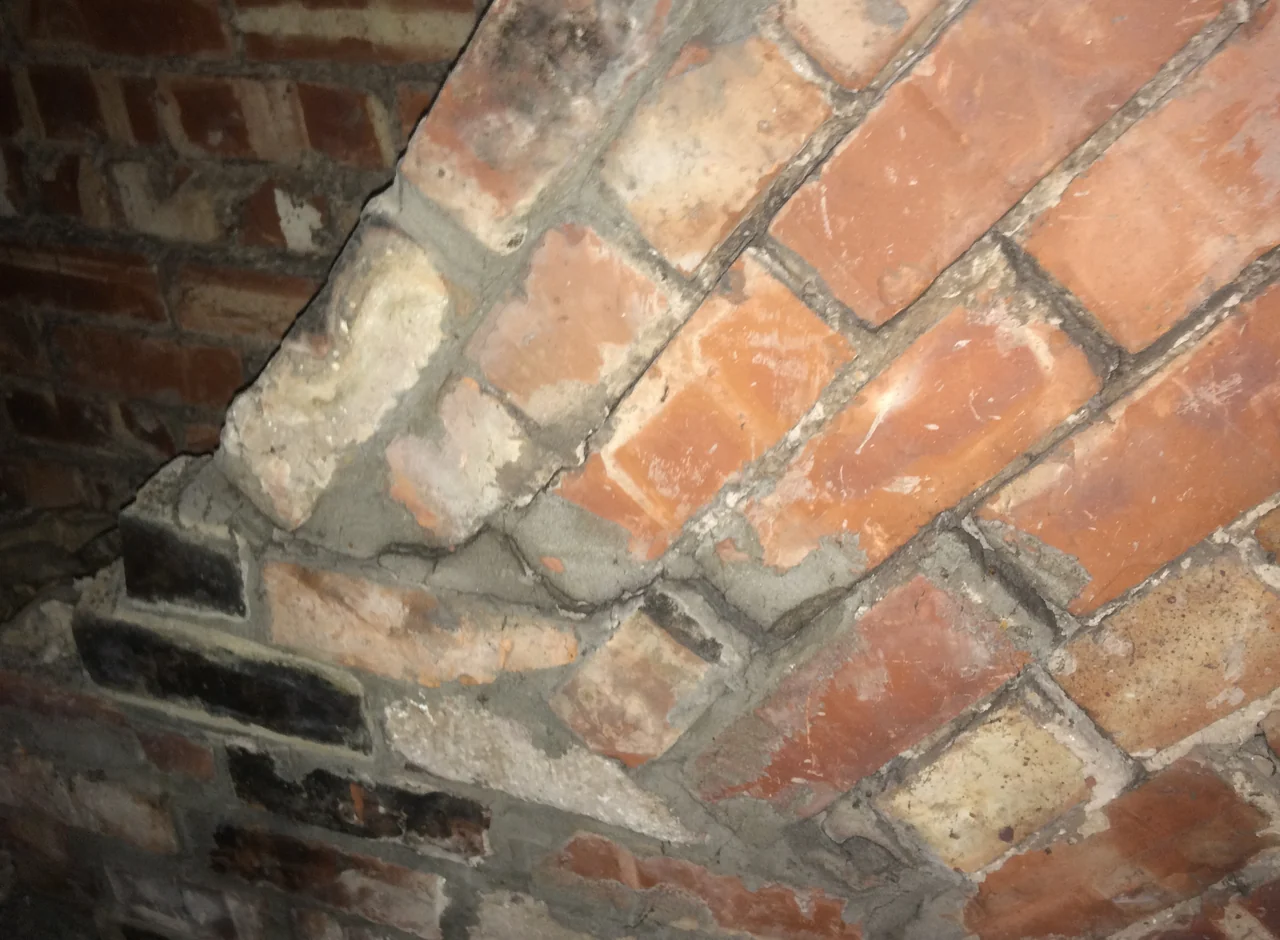
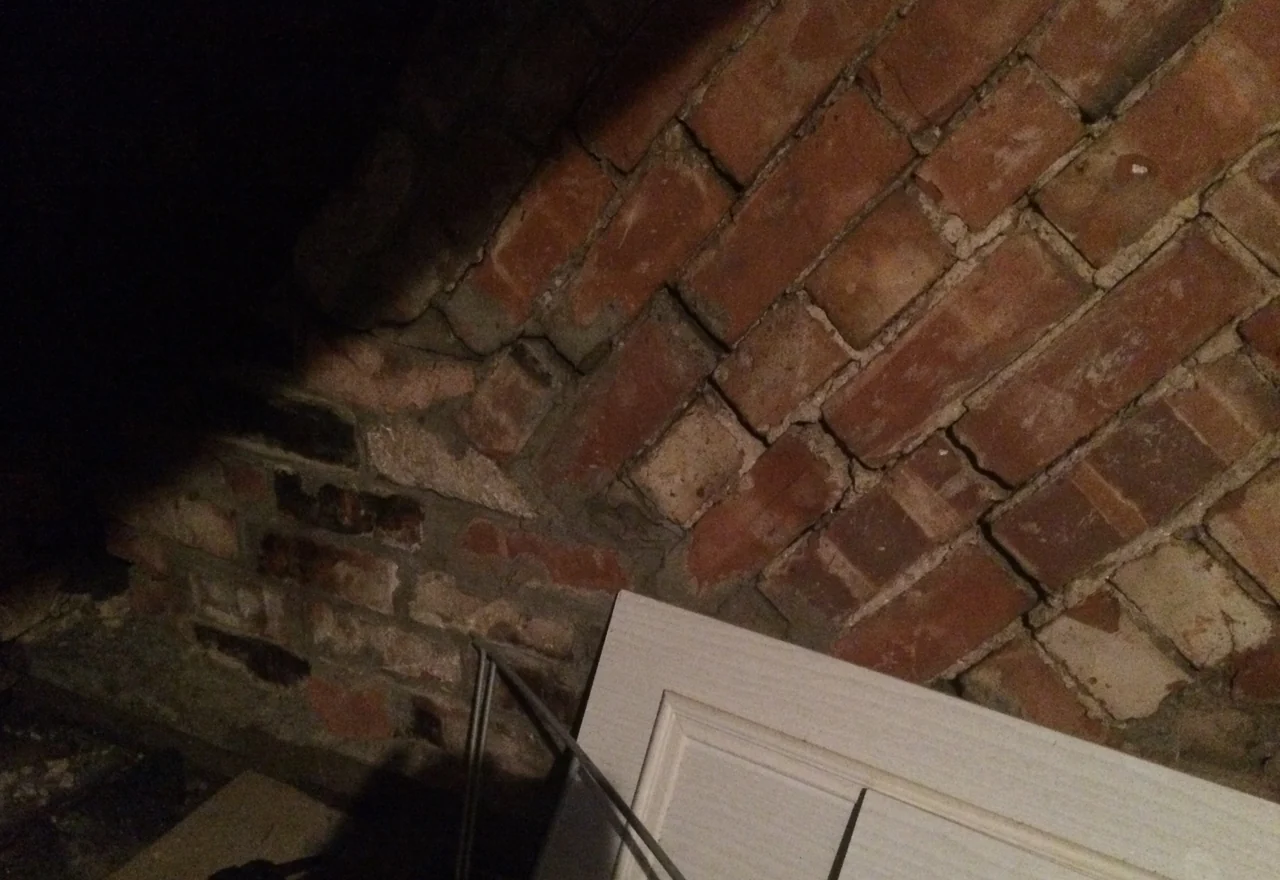
- Part of a chimney breast had been removed while upper masonry remained.
- The visible retained support appeared inadequate and warranted specific structural attention.
- Earlier roof, extension and garage changes also required an understanding of supporting construction and relevant approvals.
The issue was not the size of the new rooms
The retained chimney masonry appeared to lack adequate support following removal of a section below it. That was a specific, potentially serious concern; the visible condition did not provide evidence that the concealed support arrangement was satisfactory.
The roof structure had also been adapted. It was necessary to understand how the altered roof and its supports worked together, particularly where the changes were concealed by finishes. The report identified that these were not ordinary cosmetic refurbishment details.
A structural question with legal and future resale implications
We advised establishing the adequacy of the support and the available building control documentation before the purchase was finalised. That was not a routine paperwork request: the retained masonry was a specific structural concern, and repair costs could be significant if the alteration was inadequately supported.
An indemnity policy can sometimes cover specified financial losses associated with missing approvals. Its scope and conditions need checking with the conveyancer: it does not prove the alteration is structurally sound or act as a repair guarantee. Any approach to building control should be discussed with the conveyancer first.
A future buyer or lender may not accept the same solution. Depending on the policy terms, replacement or additional cover may be needed, and the seller may be asked to pay. They may instead require evidence of approval or remedial work, seek a price reduction or withdraw. The purchaser could therefore inherit costs, delays or a reduced sale price when they later sell, even though the original alterations were not their work.
What this example illustrates
Attractive alterations do not remove the need to understand what supports the building above them. We identify defects a buyer might otherwise miss and explain their repair, documentation and resale implications before they make a substantial financial commitment.
These anonymised case studies are selective summaries of particular issues considered during individual inspections. They are not complete survey reports and do not reproduce every observation, limitation or recommendation. They describe findings at the inspection, not the property’s present condition. The content is for general information only and must not be relied upon as a survey, diagnosis, repair specification or professional advice for any property. Property-specific advice requires a separate instruction under agreed terms of engagement. Photographs may show equivalent features or inspection methods from other Riley James inspections.