
External inspection
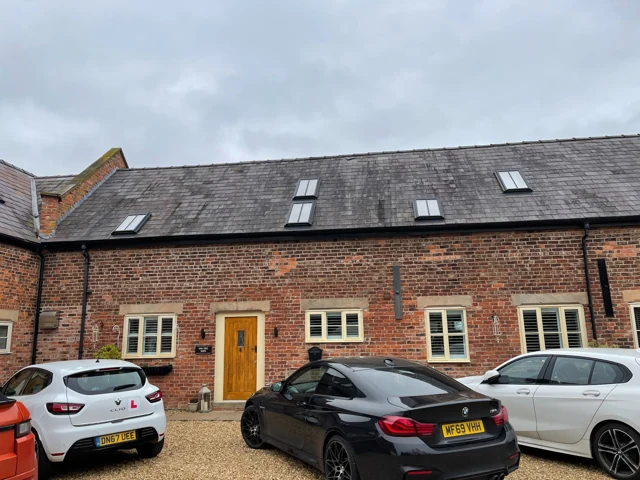
The surveyor will usually inspect the outside of the property, including roof coverings where visible, chimneys, walls, windows, doors, rainwater goods, external joinery, boundaries and relevant site conditions.
How to prepare for the visit, what the inspection involves and how access or concealed construction can affect the report.
Before the visit, access arrangements should be confirmed with the seller, occupier, estate agent or keyholder. It is helpful if all rooms, garages, outbuildings, meter cupboards and roof spaces are safely accessible where possible.
The surveyor may ask about parking, alarm codes, pets, locked rooms, loft access, extensions, alterations, guarantees, known defects or recent works. Where access is restricted, this may need to be noted in the report.
The surveyor will usually inspect the outside of the property, including roof coverings where visible, chimneys, walls, windows, doors, rainwater goods, external joinery, boundaries and relevant site conditions.
Internally, the surveyor will inspect accessible rooms and visible building elements, including ceilings, walls, floors, fireplaces, joinery, fittings, visible dampness, ventilation and signs of movement or deterioration.
Roof spaces are inspected where safe and accessible. Services are usually visually observed but not tested. Specialist testing is outside the normal scope of a Home Survey unless separately agreed.
The inspection is normally visual and non-invasive. The surveyor will not usually lift fitted carpets, move heavy furniture, open up the structure, test services or disturb personal belongings. Photographs may be taken to record relevant property features, defects and limitations.
The time required depends on the size, age, condition and complexity of the property, as well as the type of survey or report instructed. Larger, older, extended or more complex properties usually require longer inspections.
If the property has restricted access, locked areas, extensive contents or difficult roof space access, this may affect the scope of inspection and the matters reported.
After the visit, the surveyor reviews the inspection notes, photographs and relevant information before preparing the report. The report will explain the key observations, defects, risks, limitations and recommended next steps within the agreed scope of instruction.
Where appropriate, the report may recommend further investigations, legal adviser checks, contractor quotations or specialist advice before exchange of contracts or before relying on the property for the intended purpose.
Send the property address and the type of advice required.