Defining the disputed work
Identify the work concerned, who carried it out and the specific problems reported. An instruction may address visible defects, incomplete work or concerns about workmanship. We agree the technical questions that fall within our expertise and identify where another specialist may be needed.
Plans, specifications and project records
Drawings, specifications, photographs taken during construction and correspondence can help explain what was intended and what was built. Relevant approval documents, previous reports and records of remedial work may also assist. We agree which documents are needed rather than asking you to send a complete private case file with an initial enquiry.
Inspecting and recording the condition
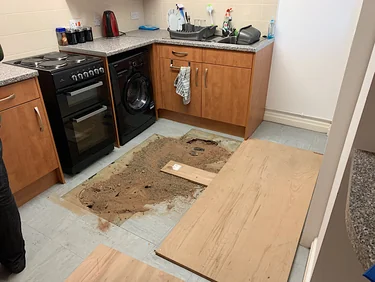
The agreed inspection records accessible work and the evidence of the reported defects. Concealed construction cannot always be assessed visually. Where opening up, testing or specialist investigation is needed, we explain the limitation and proposed next steps; these are arranged separately unless included in the instruction.
A reasoned technical opinion
The report sets out the issues considered, observations, supporting information and reasoning. It distinguishes defects from matters that cannot be established on the evidence available and can identify remedial work within the agreed scope. We do not assume that every crack, irregular finish or disagreement demonstrates defective work.
Before instructing an expert
Send the address, a brief description of the works, the parties involved and any deadline. Tell us whether repairs are imminent or proceedings are proposed or underway. We check suitability and conflicts before agreeing the appointment. Tell us about changes made before inspection, as they may affect the evidence available.