
Reviewed 25 October 2026
How much does a house survey cost — and what are you paying for?
A survey quote reflects the inspection and professional advice required for a particular building. The most useful comparison is not the lowest price in isolation but what the survey will actually help you decide before purchase.
The cost of a survey is known before instruction; the cost of an overlooked defect or poorly planned repair may not be.
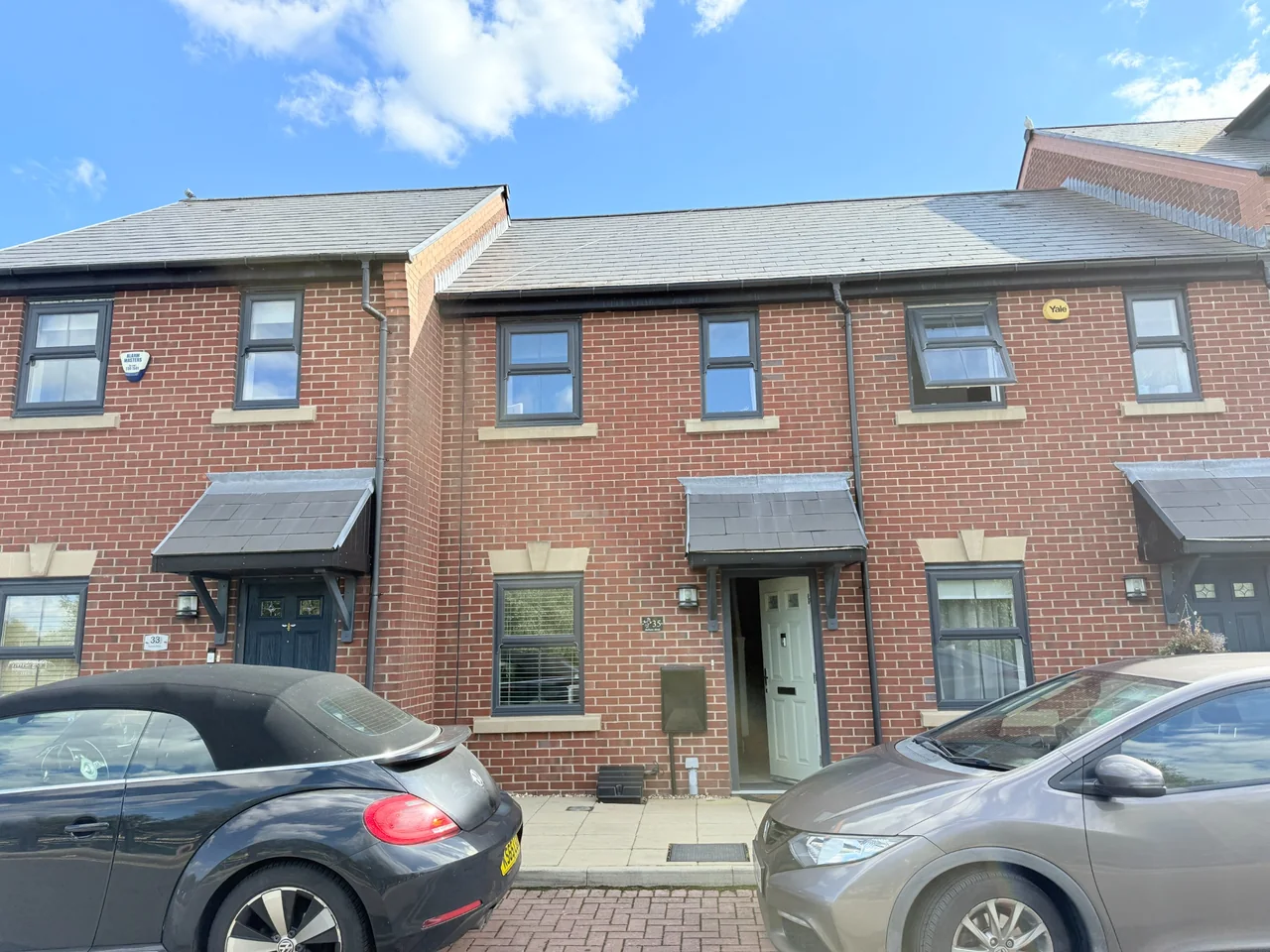
Modern brick terraced housing, photographed during a survey.
Property age, construction, size and alteration history help determine the appropriate survey scope. A useful quotation reflects the particular building and the advice the buyer needs.
Work through the decision
Follow the four steps in order, or open the detail where you need a closer explanation.
- Step 1 of 4
Start with the actual property
Size matters, but so do age, alterations, access and construction. Two similarly priced homes can need very different inspections.
Your next moveProvide the address and details of extensions, conversions or unusual construction.
Read the detail
What determines the fee?
Home Survey fees vary according to the level of service, property size, age, construction, complexity, alteration history, location and access. An uncomplicated modern home is a different instruction from an extended stone house, rural conversion or large property with outbuildings.
We confirm the appropriate survey and fee against the actual address and what the purchaser needs to understand. A mortgage valuation and a buyer’s independent condition survey are different services, even where the same property is involved.
- Step 2 of 4
Choose the right survey
The appropriate level depends on the building and the questions you need answered. More detail is valuable when it addresses a real uncertainty.
Your next moveDiscuss suitability before comparing Level 2 and Level 3 fees.
Read the detail
Level 2 or Level 3?
A Level 2 Home Survey is generally suited to a conventional home in reasonable condition. It reports significant defects and offers proportionate maintenance and repair information. A Level 3 provides more detailed consideration of construction, defects, repair options and consequences, usually suited to older, significantly altered or more complex homes.
Choosing the wrong service to save a small amount can leave important questions unanswered. Equally, the most detailed inspection is not automatically necessary for every modern dwelling.
- Step 3 of 4
Compare what the fee includes
A useful quotation explains the inspection, reporting and opportunity to discuss findings. The headline figure tells only part of the story.
Your next moveCompare the scope, inspector, report timing and advice available afterwards.
Read the detail
Compare the scope, not just the figure
Ask who will inspect, what parts of the property are covered, when the report will be provided, how concerns can be discussed and how access limitations will be handled. Explain any planned extension, letting, renovation or known structural concern when requesting the quote.
A competent survey identifies not only necessary work but also when an apparently dramatic feature is longstanding and can be monitored. That balanced judgement helps avoid unnecessary expenditure as well as costly omissions.
- Step 4 of 4
Get a property specific quotation
A national average cannot price the work needed for your purchase. Clear information at the outset helps avoid mismatched expectations.
Your next moveSend your timetable, plans for the property and any concerns already raised.
Read the detail
Before paying for a survey
Send the address, asking price if known, approximate age, property type, any extensions or conversions, purchase timetable and significant concerns. We can then advise on suitability and provide a fee for the property.
Published nationwide averages are no substitute for an actual quotation. The RICS consumer guide notes that fees can range from a few hundred pounds for simpler surveys to more than £1,000 for some bespoke work; those are general industry indications, not Riley James Surveyors' fixed prices.
Before you commit: buyer checklist
- Tell us the property address, age and type.
- Mention conversions, major alterations or unusual construction.
- Explain any specific defect or mortgage valuation concern.
- Ask what Level 2 or Level 3 advice includes.
- Compare report quality, scope and advice after the inspection.
Professional guidance and official sources
These sources support the general guidance. Individual property advice depends on condition, location, scope and any current rules or lender requirements.
General buyer information for England unless otherwise indicated; not legal advice, a report on a specific building or a substitute for independent conveyancing or lender requirements.
Buying a property with similar concerns?
Tell us what you know about the property, your proposed use and any issues already raised by the lender or seller.